

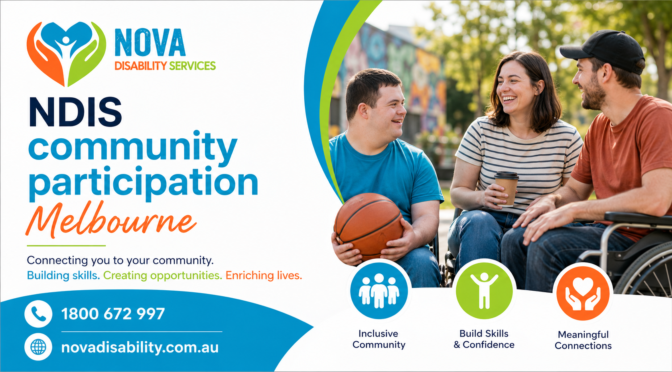
Community participation helps people with disability connect with others meaningfully. It builds confidence and creates opportunities for independence through social activities. The NDIS supports this through tailored funding and assistance. However, significant changes are coming from October 2026 that every participant should understand.
Understanding NDIS Community Participation
NDIS community participation in Melbourne refers to funding for social engagement and community involvement. This support helps participants join group activities and build confidence independently. Examples include fitness classes, cooking workshops, and social outings. These activities strengthen connections within communities across different regions.
The National Disability Insurance Scheme recognises that community participation matters greatly. It provides funding specifically for activities outside the home environment. This empowers people with disability to develop social skills and personal growth. Supports are always tailored to individual goals and preferences.
The Major Changes Coming in 2026
From October 2026, significant shifts occur in how funding works. Budget allocations for social, economic and community participation supports are being reduced by 50%. The changes phase in gradually as participant plans undergo review. This reset aims to bring spending closer to 2023 levels.
Any community participation provider in Wallan or anywhere else in the country faces the same restructuring. Participants will need to adapt to modified funding amounts carefully. The changes don’t affect critical care or daily living supports. However, community engagement funding requires strategic planning moving forward.
Understanding the Benefits Still Available
Despite funding adjustments, NDIS community participation benefits remain valuable and important. Participants can still access social activities and community engagement support. The changes simply mean more planning around available resources. Quality outcomes remain possible with proper guidance and support.
[Note: The reduction applies to the budget allocation. If a participant was not fully using their previous allocation, the practical impact on actual spending may be less than 50%.]
Community participation supports inclusive environments where people develop meaningful connections. These activities boost mental health and reduce social isolation significantly. Participants gain confidence to explore interests and build relationships. Support services adapt continuously to meet evolving participant needs.
Finding Quality Community Participation Support
Community participation support services continue evolving to meet current needs effectively. Providers work with participants to identify meaningful activities and goals. Support coordinators help navigate changes and develop workable action plans. Finding the right fit requires clear communication about preferences.
Quality providers understand individual aspirations and design activities accordingly. They assess what matters most to each participant personally. Disability community participation in Kilmore highlights how diverse communities support engagement. Tailored approaches ensure activities align with personal values and interests.
Activities Making a Difference
Community participation activities for adults with disabilities include diverse, engaging options. Fitness programs, arts classes, volunteer opportunities, and social groups flourish. Skill development happens naturally through participation in chosen activities. These experiences build social confidence and foster genuine community connections.
Activities should match individual strengths, interests, and goals specifically. Meaningful engagement improves quality of life significantly for participants. Support workers guide participants toward activities that bring joy. The right match creates lasting relationships and personal growth opportunities.

Taking Action Now
Understanding these changes helps participants plan effectively for 2026. Reviewing current activities and priorities is sensible proactive planning. Support coordinators can assist with transitional planning and goal setting. Starting conversations early ensures smoother adjustments to new funding levels.
For personalised guidance on managing these changes effectively, contact Nova Disability Services Pty Ltd today. We understand community participation requirements and offer expert support. Call 1800672997 or email info@novadisability.com.au for assistance. Visit https://www.novadisability.com.au/ to learn more about services available.
FAQs
- What exactly is NDIS community participation?
Community participation under the NDIS is funding that helps people with disability engage in social activities and community groups. It includes fitness classes, cooking workshops, social outings, and skill-building activities outside the home. - How much funding is being cut from October 2026?
Budget allocations for social, economic and community participation supports are being reduced by 50% from October 2026. The changes phase in progressively as participant plans undergo review or renewal. - Will my community participation funding be cut immediately on 1 October 2026?
No, changes apply progressively as individual plans are reviewed or renewed from October 2026 onwards. Most participants will see changes over a period of 12 months as their plans cycle through review. - Are critical care supports affected by these changes?
No, critical care and daily living supports in the home remain completely unaffected by these changes. Only social, civic, and community participation funding adjustments apply from October 2026. - What types of activities count as community participation?
Activities include group fitness classes, cooking workshops, arts and crafts programs, volunteer opportunities, social outings, skill-building courses, and community group participation. These activities help build confidence and foster meaningful community connections. - How can I prepare for the October 2026 funding changes?
Review your current community participation activities and discuss priorities with your support coordinator. Start planning alternative activities or adjusted approaches now to ensure smooth transitions. - Can I still access community participation support after October 2026?
Yes, community participation supports continue after October 2026, but with adjusted funding levels. Quality activities remain available, and support coordinators help identify meaningful engagements within new budget parameters. - What should I look for in a community participation provider?
Choose providers who understand your individual interests and goals, communicate clearly about activities and costs, adapt support to your preferences, and maintain professional qualifications and experience. Quality providers focus on meaningful engagement tailored to you. - How do I find suitable community participation activities?
Talk to your support coordinator about your interests and goals, search community organisation websites for available programs, ask about trial sessions before committing, and consider activities that match your strengths and values. - What should I do if I’m unsure about the changes affecting my plan?
Contact your NDIS support coordinator or plan manager immediately to discuss your specific situation. Professional disability services providers can explain impacts and help develop strategies for managing funding adjustments effectively.
